Skip to content
®
Industrial IoT

PLC & IoT Data Loggers

DIN-rail Modbus gateways that bring PLC, meter and sensor data to cloud dashboards over 4G, Ethernet or Wi-Fi.

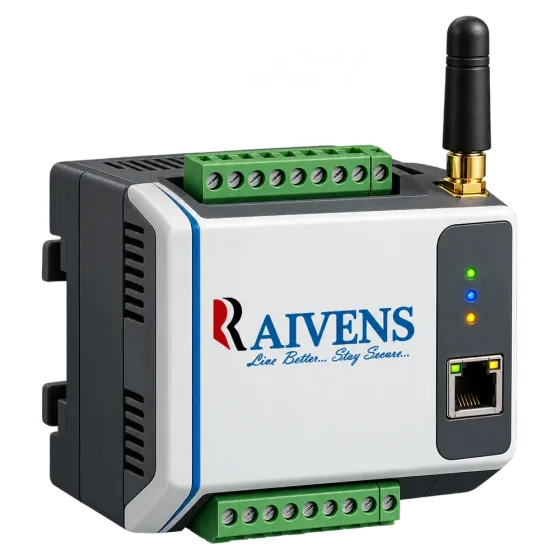
The RAIVENS PLC & IoT Data Logger is a DIN-rail Modbus gateway that reads PLCs, energy meters and sensors over RS485 or Ethernet and sends data to the cloud over 4G, Ethernet or Wi-Fi for factories, utilities, water treatment and solar plants.

PLC & IoT Data Loggers
Protocols
Modbus RTU and Modbus TCP
Field port
RS485
Inputs
Digital and analog
Uplink
4G, Ethernet or Wi-Fi
Cloud
MQTT or HTTP
Mounting
DIN rail
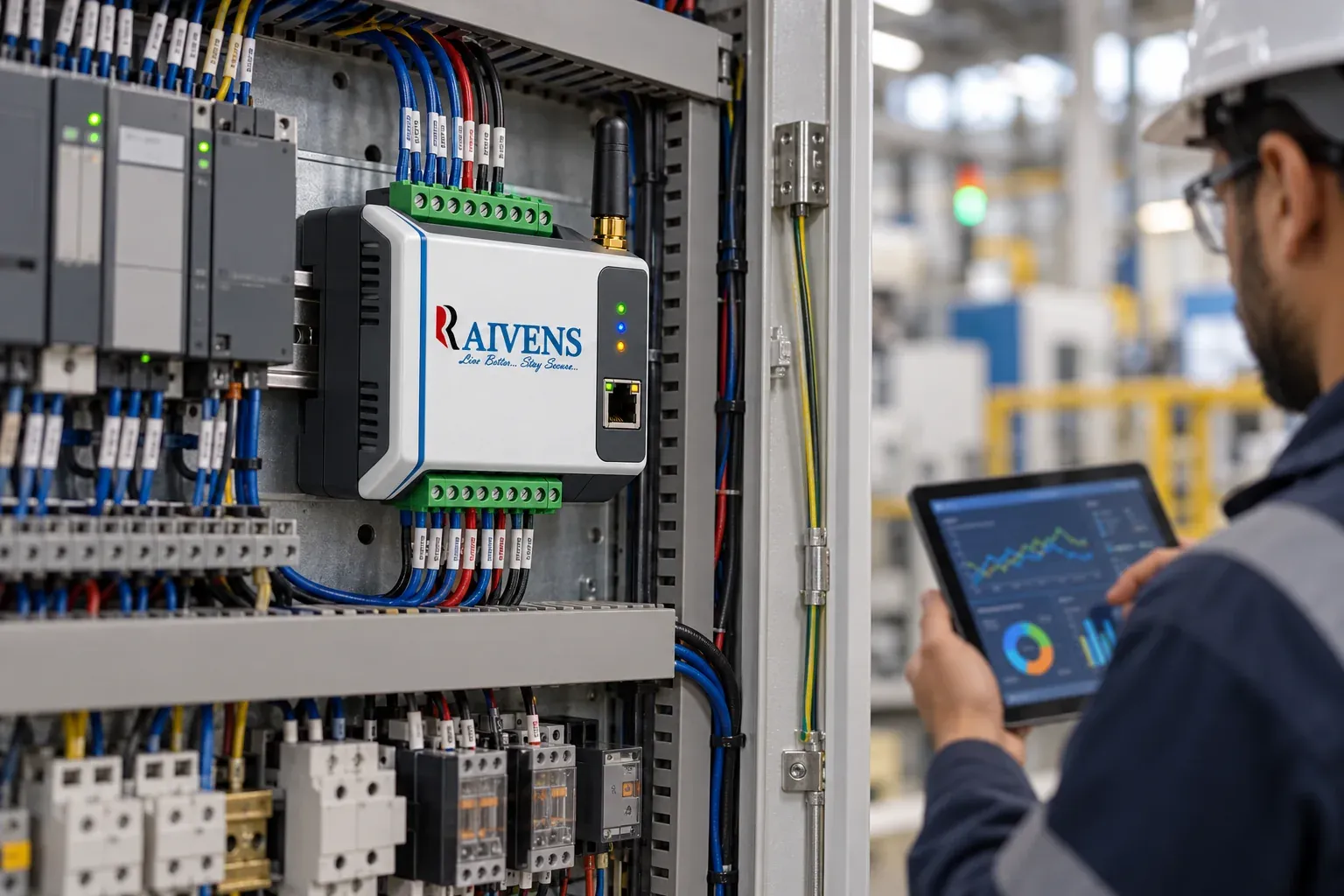
RAIVENS IoT data logger mounted on a DIN rail beside PLCs inside a factory control panel
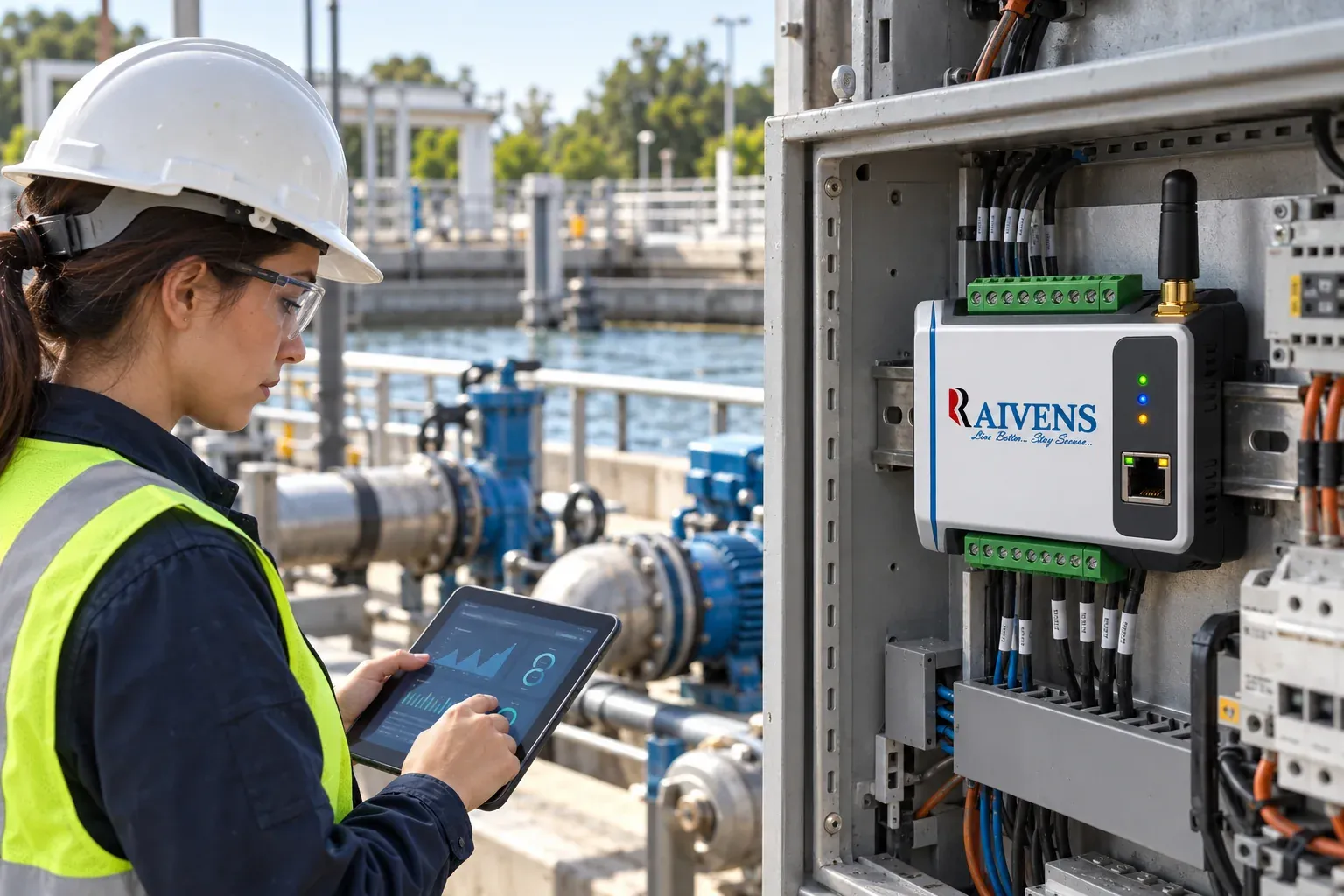
Engineer at a water treatment plant viewing live data from a RAIVENS data logger
Capabilities

Why choose RAIVENS PLC & IoT Data Loggers

Modbus RTU and TCP

Read PLCs, energy meters and sensors over RS485 with Modbus RTU, or over Ethernet with Modbus TCP.

Digital and analog inputs

Wire run-status contacts, alarms and analog transmitters straight to the logger, without an extra PLC.

4G, Ethernet or Wi-Fi

Send data over whichever network the site has, including remote sites with only cellular coverage.

MQTT and HTTP

Publish readings to cloud dashboards using two widely supported IoT protocols.

Local buffering

Readings are stored on the device during network outages and uploaded when the link returns.

Live dashboards

See current and historical values for every connected device and site from a browser.

Threshold alerts

Get alerted when a value crosses a set limit, such as a low tank level, a high temperature or a tripped pump.

DIN-rail form factor

Mounts on a standard DIN rail inside the control panel, next to PLCs and breakers.

What are PLC & IoT data loggers?

PLC and IoT data loggers collect readings from industrial equipment and send them to the cloud, where teams can watch them live and keep a full history. The RAIVENS PLC & IoT Data Logger is a DIN-rail gateway. It reads PLCs, energy meters and sensors over Modbus RTU on RS485 or Modbus TCP on Ethernet, adds its own digital and analog inputs, and publishes the data over MQTT or HTTP through 4G, Ethernet or Wi-Fi.

Why plant data matters

Many plants already hold the data they need. It sits in PLC registers and meter displays that someone reads by walking the floor. Without remote visibility, a tripped pump, a stalled line or a drop in solar output can go unnoticed for hours. A data logger turns equipment you already own into a live, shared record, without replacing it.

How it connects

Layer Options
Field devices PLCs, energy meters, solar inverters, flow and level transmitters, other Modbus devices
Field interfaces RS485 (Modbus RTU), Ethernet (Modbus TCP), digital and analog inputs
Uplink 4G, Ethernet or Wi-Fi
Cloud protocols MQTT or HTTP
Outputs Dashboards and threshold alerts; data to your own platform by arrangement

What you can measure

Typical data points include machine run status and hours, production counts, energy (kWh) and power demand, temperature, pressure, flow and tank level, and alarm states. Values that a connected device exposes in Modbus registers, or signals through a digital or analog input, can be logged, charted and used for alerts.

Key capabilities

  • Modbus master. The logger polls many devices on one RS485 bus or across the Ethernet network, at intervals you set.
  • Direct inputs. Digital inputs capture run status and alarms. Analog inputs read transmitters, such as 4-20 mA or 0-10 V signals, depending on the model.
  • Local buffering. When the network drops, readings are stored on the device and uploaded when the link returns, so short outages leave no gaps.
  • Dashboards and alerts. Live and historical values per device and site, with alerts when a value crosses a limit.

Built for factories, utilities, water and solar

  • Factories: machine status, production counts and energy per line from PLCs and meters.
  • Utilities: readings from remote meters and pumping stations over 4G, with fewer field trips.
  • Water treatment: flow, level, pressure and pump status, with alerts when values leave their range.
  • Solar plants: inverter and meter data to compare generation across sites.

Integration and support

Raivens reviews your device list and registers, configures the gateway, dashboards and alerts, and supports installation. Because the hardware, firmware and cloud software are designed in-house, one team owns the whole data path. Compliance documentation per model is available on request.

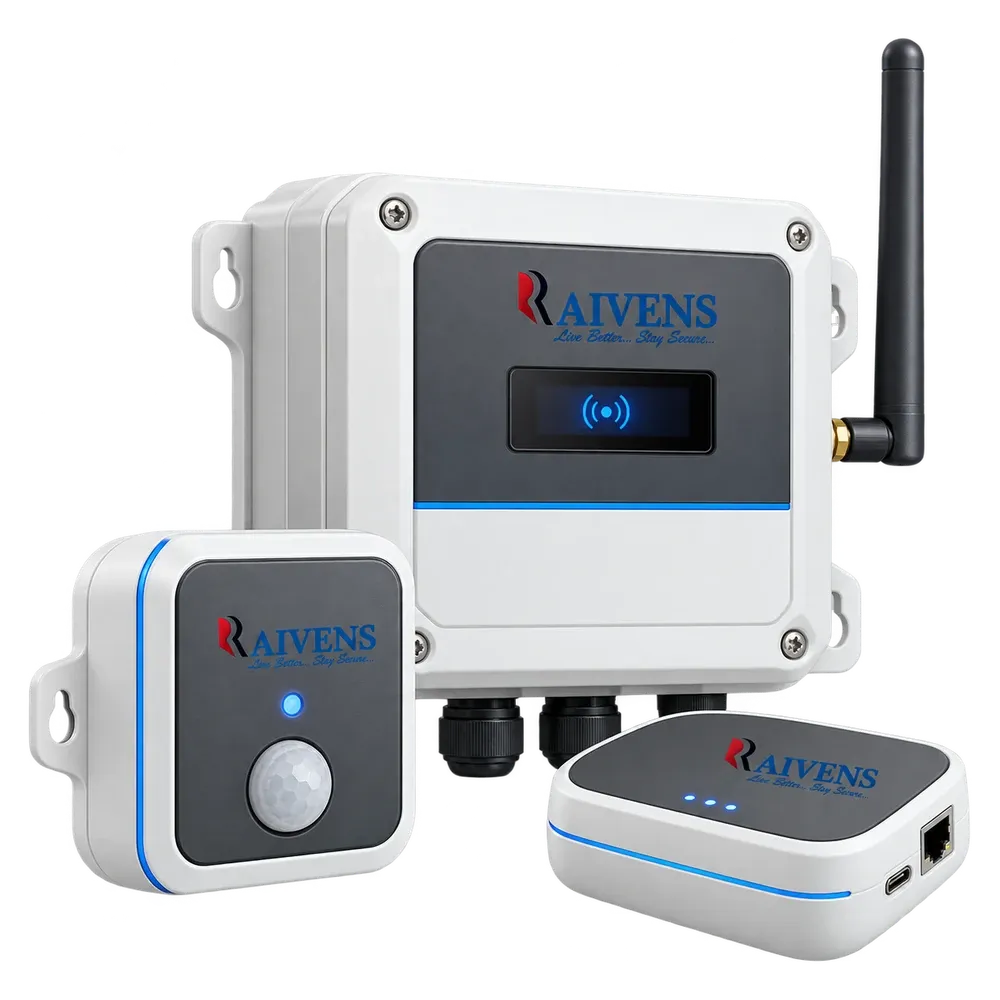
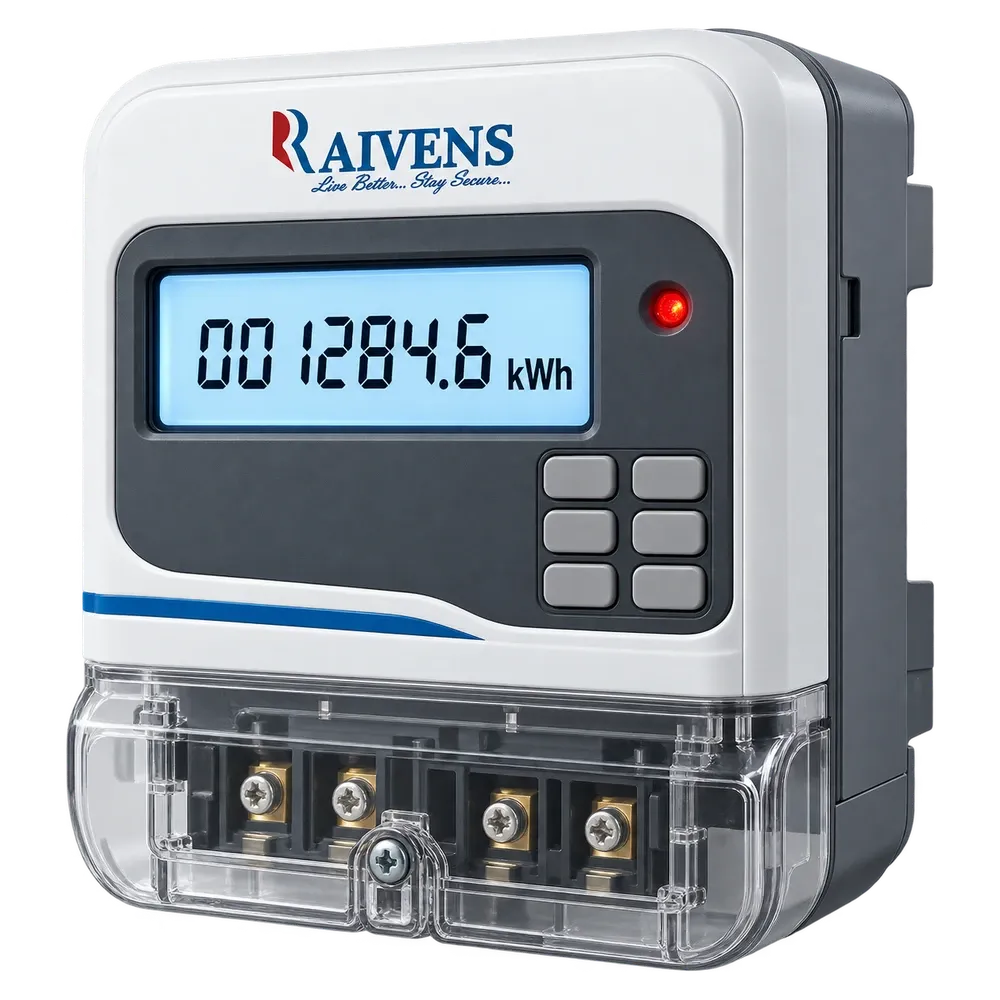
Need sensors, pump controllers or a custom device as well? See IoT-based products. To meter energy per tenant, see smart electricity meters. Explore the full industrial IoT and automation solution, or contact Raivens with your device list.
Use cases

Where it makes a difference

Factories

Read PLCs and energy meters on each line to track machine status, production counts and energy use on one dashboard.

Water treatment plants

Log flow, level, pressure and pump status, and alert operators as soon as a value leaves its safe range.

Solar plants

Read inverters and energy meters with Modbus interfaces to monitor generation across sites without site visits.

Utilities

Collect readings from remote meters, pumping stations and distribution equipment over 4G, cutting routine field trips.

Specifications

Technical overview

Field interfaces

SerialRS485, Modbus RTU
EthernetModbus TCP
Digital inputsStatus and alarm contacts (count by model)
Analog inputsCurrent or voltage signals, for example 4-20 mA or 0-10 V (by model)

Connectivity

Uplink4G, Ethernet or Wi-Fi
Cloud protocolsMQTT or HTTP

Data handling

PollingConfigurable devices, registers and read intervals
BufferingLocal storage during outages, uploaded on reconnect

Software

DashboardsLive and historical values per device and site
AlertsConfigurable threshold alerts

Hardware and documentation

MountingDIN rail
ComplianceCompliance documentation per model is available on request

Specifications are indicative and vary by model and configuration. Contact us for the datasheet of the exact variant.

FAQ

PLC & IoT Data Loggers: common questions

What is a PLC data logger?

A PLC data logger is a device that reads values from a programmable logic controller, such as machine status, counts, temperatures or alarms, and stores or forwards them for monitoring. The data logger from Raivens reads PLCs, energy meters and sensors over Modbus RTU or Modbus TCP and sends the data to cloud dashboards over 4G, Ethernet or Wi-Fi.

Which devices can the data logger read?

The Raivens data logger reads devices that communicate over Modbus RTU on RS485 or Modbus TCP on Ethernet. That covers many PLCs, energy meters, solar inverters, flow meters and sensor transmitters. Digital inputs capture run status and alarm contacts, and analog inputs read transmitters directly. Send a list of your devices and the values you need, and the team will confirm the register map and wiring.

What is the difference between Modbus RTU and Modbus TCP?

Modbus RTU is the serial form of the protocol. It runs over RS485 wiring, where one master polls many devices on a single bus. Modbus TCP carries the same register model over Ethernet networks. Many sites use both, with older meters on RS485 and newer PLCs on Ethernet. The Raivens data logger reads both, so one gateway can cover a mixed panel.

What happens if the internet connection drops?

The PLC & IoT data logger keeps reading your devices and stores the values in local memory. When the 4G, Ethernet or Wi-Fi link comes back, it uploads the buffered readings, so dashboards fill in without gaps. How long it can buffer depends on the model and the logging interval. Raivens sets the interval to balance storage with the detail each site needs.

Can the data go to our own server or cloud platform?

The PLC & IoT data logger publishes data over MQTT or HTTP, two widely supported IoT protocols. It can feed the Raivens dashboards and, by arrangement, your own server or cloud platform. Share the platform you use during scoping, and the payload format and topics are agreed before installation, so your team receives data in the structure it expects.

Do I need to change my PLC program?

Usually not, if the PLC already supports Modbus. The data logger acts as a Modbus master and reads the values the PLC exposes in its registers. If a value you need is not mapped to a register, the PLC programmer may need to add it, which is typically a small change. Raivens reviews your PLC model and register list first and tells you whether any change is needed.

Which industries use PLC and IoT data loggers?

Factories use PLC and IoT data loggers to track machine status, production counts and energy per line. Utilities collect readings from remote meters and equipment over 4G. Water treatment plants log flow, level and pump status, with alerts when values leave their range. Solar plants read inverters and energy meters to monitor generation. Raivens supplies data loggers for each of these settings, with dashboards and alerts configured per site.

Related

Often deployed together

Get a quote

Planning a rollout of PLC & IoT Data Loggers?

Share quantities, site details and timelines. An engineer replies within one business day with options and a quotation.

I would like

Protected by a privacy-friendly human check. No tracking cookies.

We reply within one business day. Prefer email? info@raivens.com

Let’s build what’s next, together

Tell us about your project. Our engineers reply within one business day with options, timelines and a quotation.