What is AI education for kids?
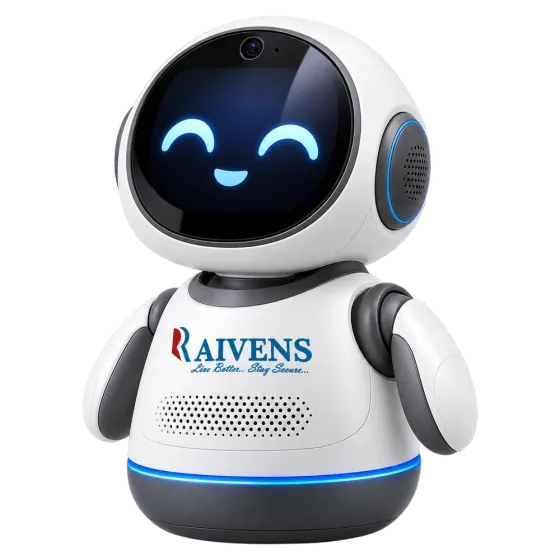
AI education for kids teaches children how artificial intelligence works by building with it: training a camera to recognize objects, giving a robot voice commands and asking whether a model is fair. The RAIVENS AI education program brings this to schools and families as an age-based curriculum for learners aged about 8 to 16. It combines hands-on projects, school AI lab setup, teacher training, workshops and holiday camps, and the RAIVENS desktop AI learning robot.
Why AI education matters now
Children already meet AI in search, maps, games and voice assistants. Learning how it works helps them use it wisely, question it when it is wrong and see themselves as creators, not only users. Hands-on AI learning also builds habits that matter in any career: breaking a problem into steps, testing ideas with data and explaining results clearly. For a school, it is a practical way to bring computing, science and ethics together in one subject.
Curriculum by level
| Level | Ages (about) | What students learn | Sample projects |
|---|---|---|---|
| Level 1 | 8 to 10 | What AI is, patterns, simple image and sound recognition, block coding | A camera game that tells fruits apart; a voice-controlled light |
| Level 2 | 11 to 13 | Training data, vision and voice models, robots that react, AI ethics | A gesture-controlled robot; a recycling sorter |
| Level 3 | 14 to 16 | Machine-learning basics in Python, testing models, bias and privacy | A plant-health checker from leaf photos; a library chatbot |
Every level includes AI ethics: fairness, privacy, bias and responsible use. Students are placed by age and experience, so a confident younger coder can start further along.
What a lesson looks like
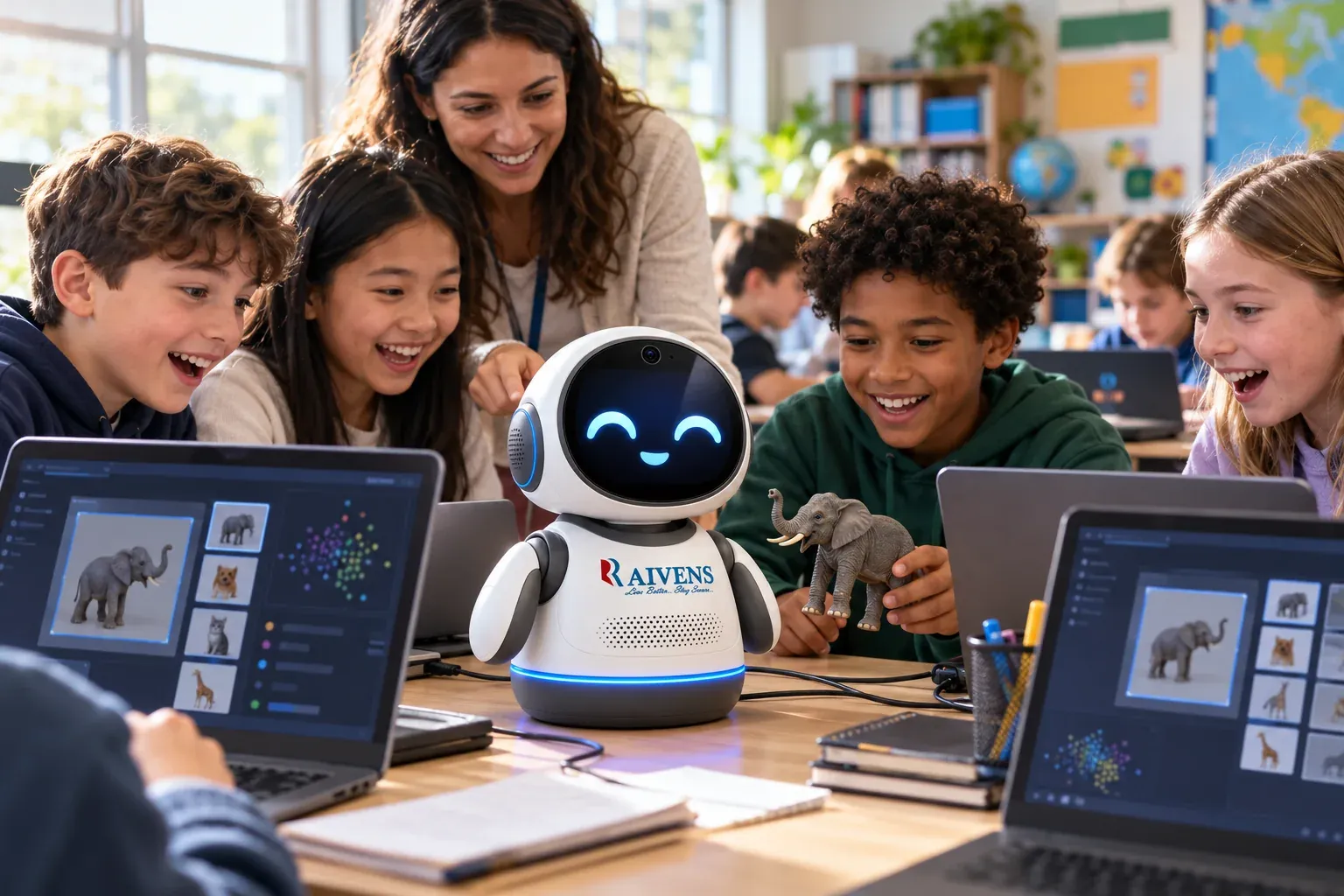
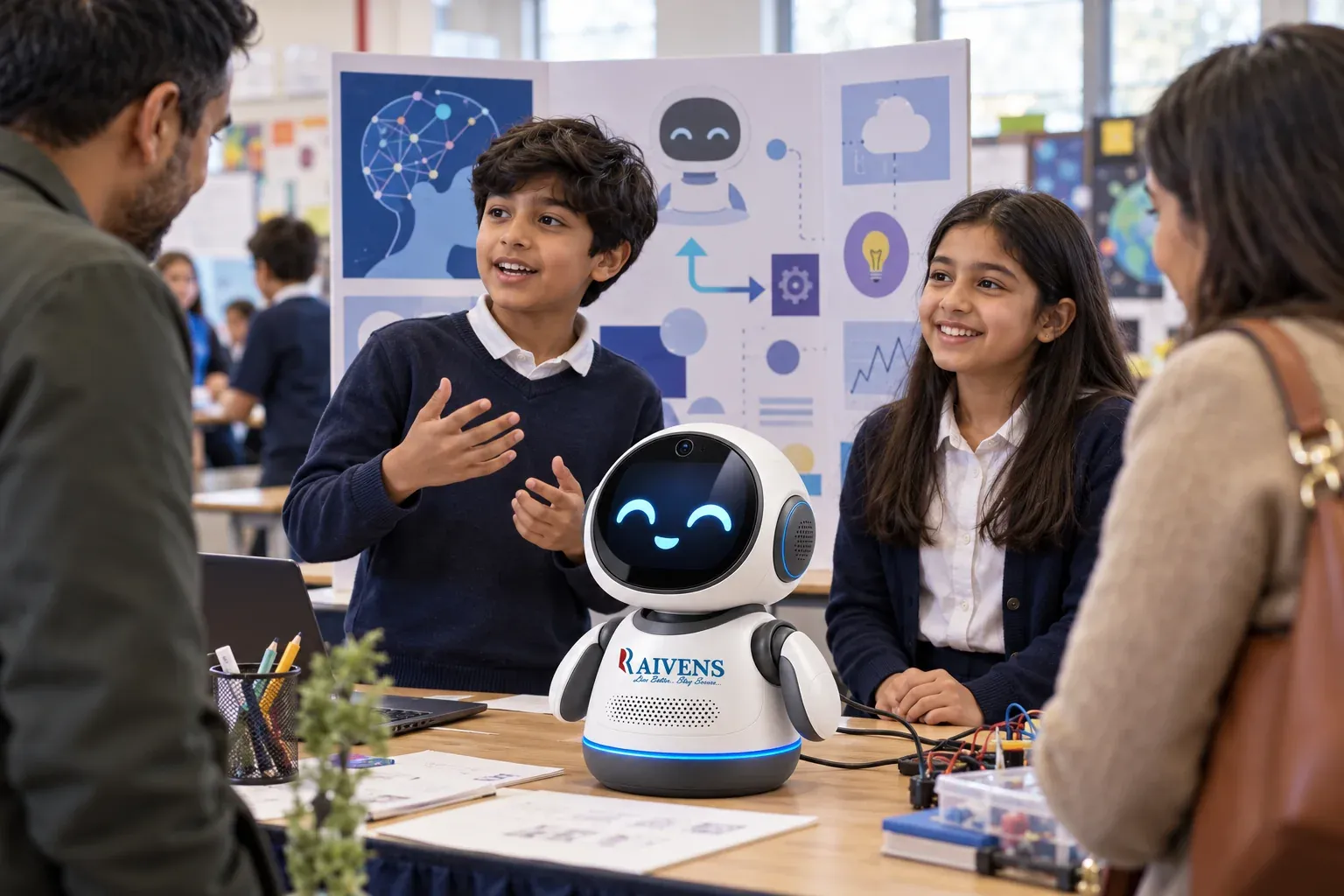
Each session follows a simple rhythm. It opens with a question from everyday life, such as how a phone recognizes a face. Students then build with the desktop AI learning robot, a camera or a block-coding tool, and test what they made. The session closes with a short discussion about what worked, what failed and whether the result was fair. Over a term, these small builds add up to a project that students present to classmates and parents.
Key capabilities
- Hands-on projects in computer vision, voice and machine-learning basics.
- The RAIVENS desktop AI learning robot, which makes abstract ideas visible and programmable on a desk.
- School AI lab setup, covering the room plan, learning robots, kits and software.
- Teacher training with lesson plans and project guides, so existing staff can teach with confidence.
- Workshops and holiday camps that end with a project demo for parents.
Built for schools and parents
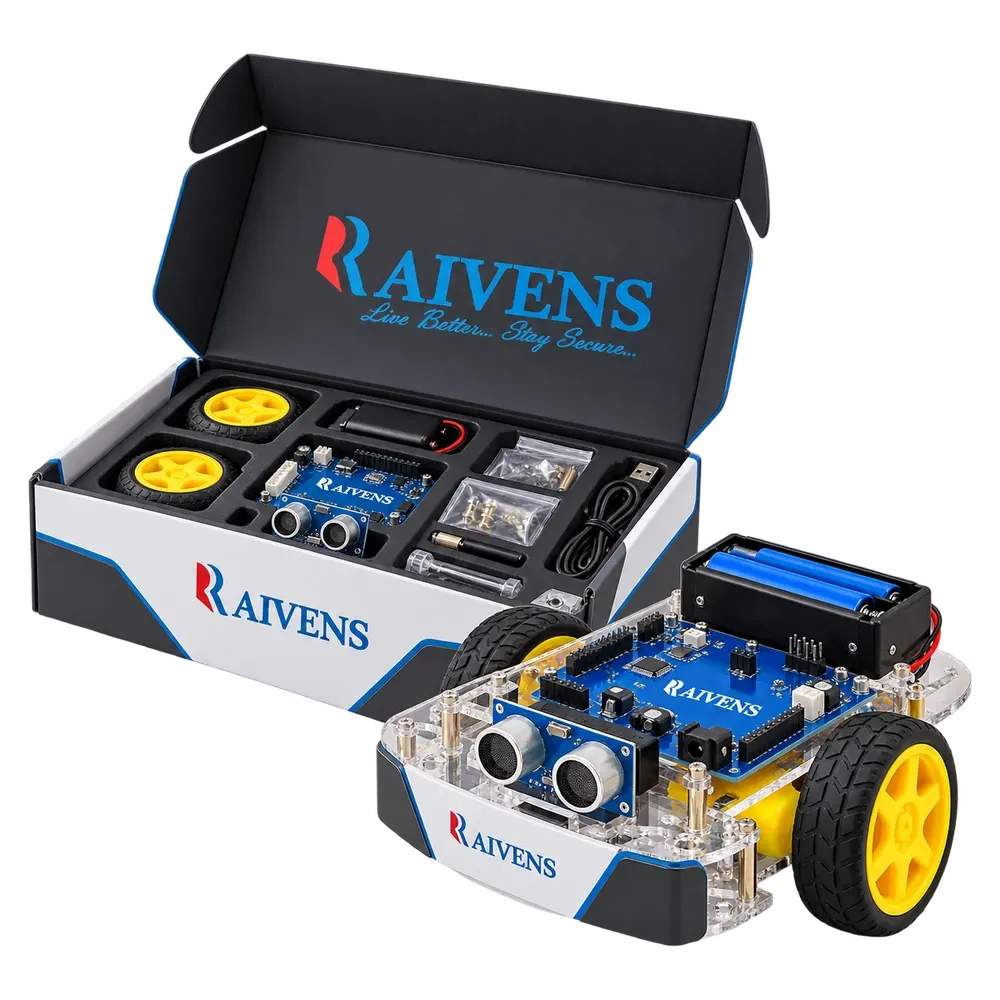
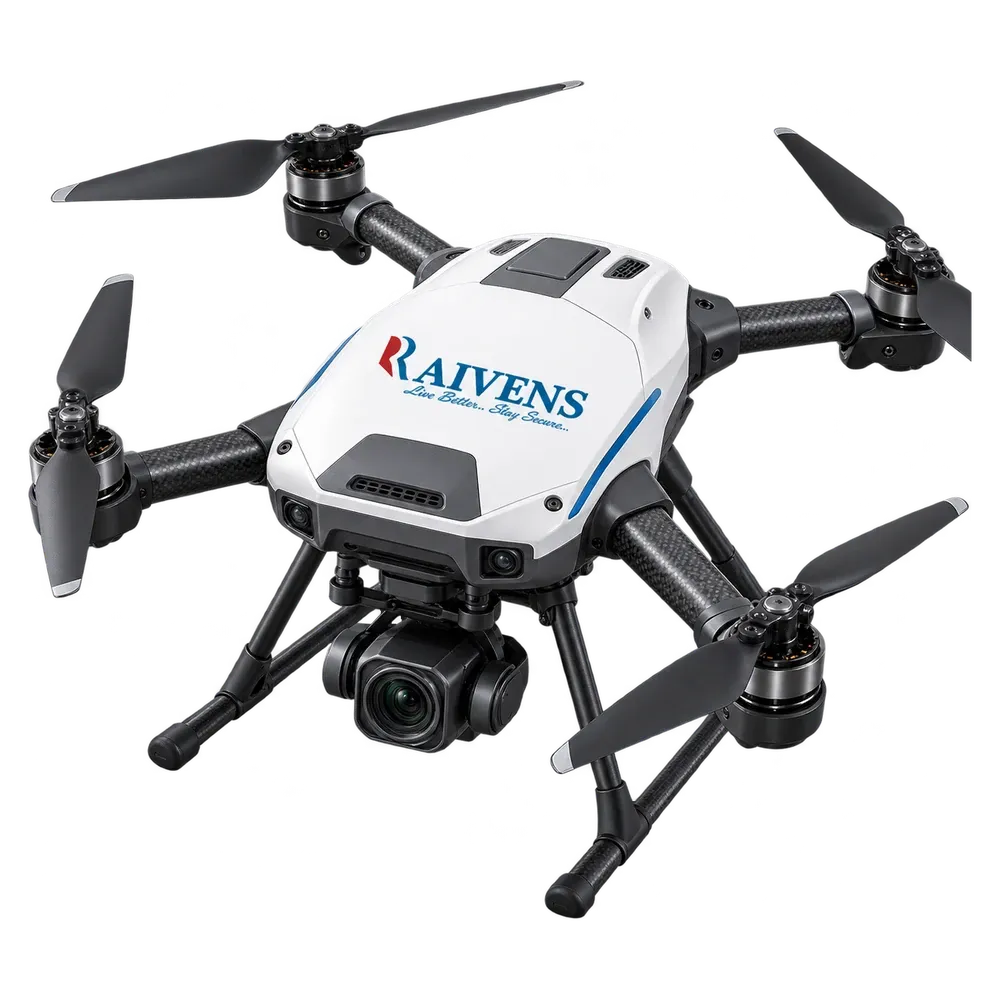
For principals, the program is a complete path: curriculum, lab, trained teachers and showcases, mapped to your national curriculum framework on request. It can run as a timetabled subject, inside existing computer classes or as an after-school club. For parents, it is a way for children to make real things with AI, guided by trained teachers. Labs can add robotics and AI kits for robot cars, sensors and AI cameras, and older students can explore classroom drones through drone technologies.
Integration and support
Raivens designs and builds the learning robot and kits in-house and supports schools after launch through its support team. A school can begin with one grade or one club and add levels each year as teachers gain confidence. See how curriculum, kits and labs fit together on the AI & Robotics Education page, or contact us to plan a lab, workshop or camp.