What are DC fast EV chargers?
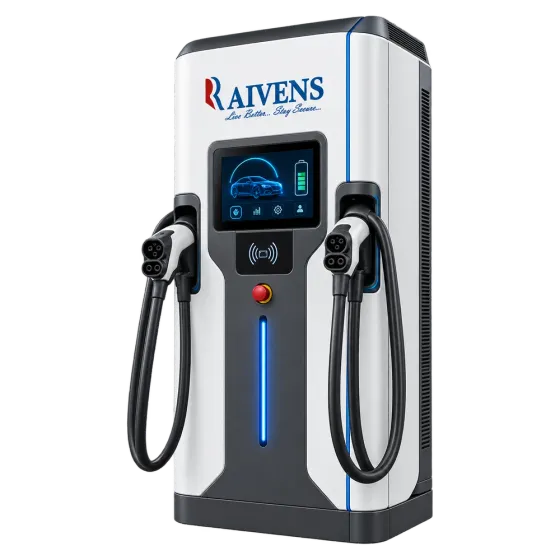
DC fast EV chargers convert AC grid power to direct current inside the charger and feed it straight to the vehicle’s battery. Because they bypass the car’s smaller onboard charger, they deliver far more power than an AC wallbox. Raivens builds DC fast EV chargers in 30, 60 and 120 kW models, the evTor Powerpulse family, and designs and manufactures them in-house together with the monitoring and billing software that runs them.
Why DC fast charging matters
Highway drivers, taxi fleets and bus operators cannot wait hours for a charge. A DC fast charger turns a short stop into usable range, and one parking bay can serve many more vehicles in a day than it could with an AC charger. For site owners, that means better use of grid capacity, parking space and the investment in each charger.
Model comparison
| Specification | Powerpulse 30 kW | Powerpulse 60 kW | Powerpulse 120 kW |
|---|---|---|---|
| Rated DC output | 30 kW | 60 kW | 120 kW |
| Energy in 30 minutes at full output | Up to 15 kWh | Up to 30 kWh | Up to 60 kWh |
| Connectors | CCS2; GB/T option | CCS2; GB/T option | CCS2; GB/T option |
| Typical sites | Offices, hotels, retail parking, small fleets | Malls, highway stops, fleet hubs | Highway corridors, bus depots, busy hubs |
Across the family, the chargers share dual-connector designs, a 7-inch touchscreen, RFID, app and QR authentication, and a link to the remote monitoring and billing backend. Actual charging speed also depends on the vehicle: its battery management system sets the power it accepts, and that power drops as the battery fills or when it is cold.
Built for highways, fleets and commercial hubs
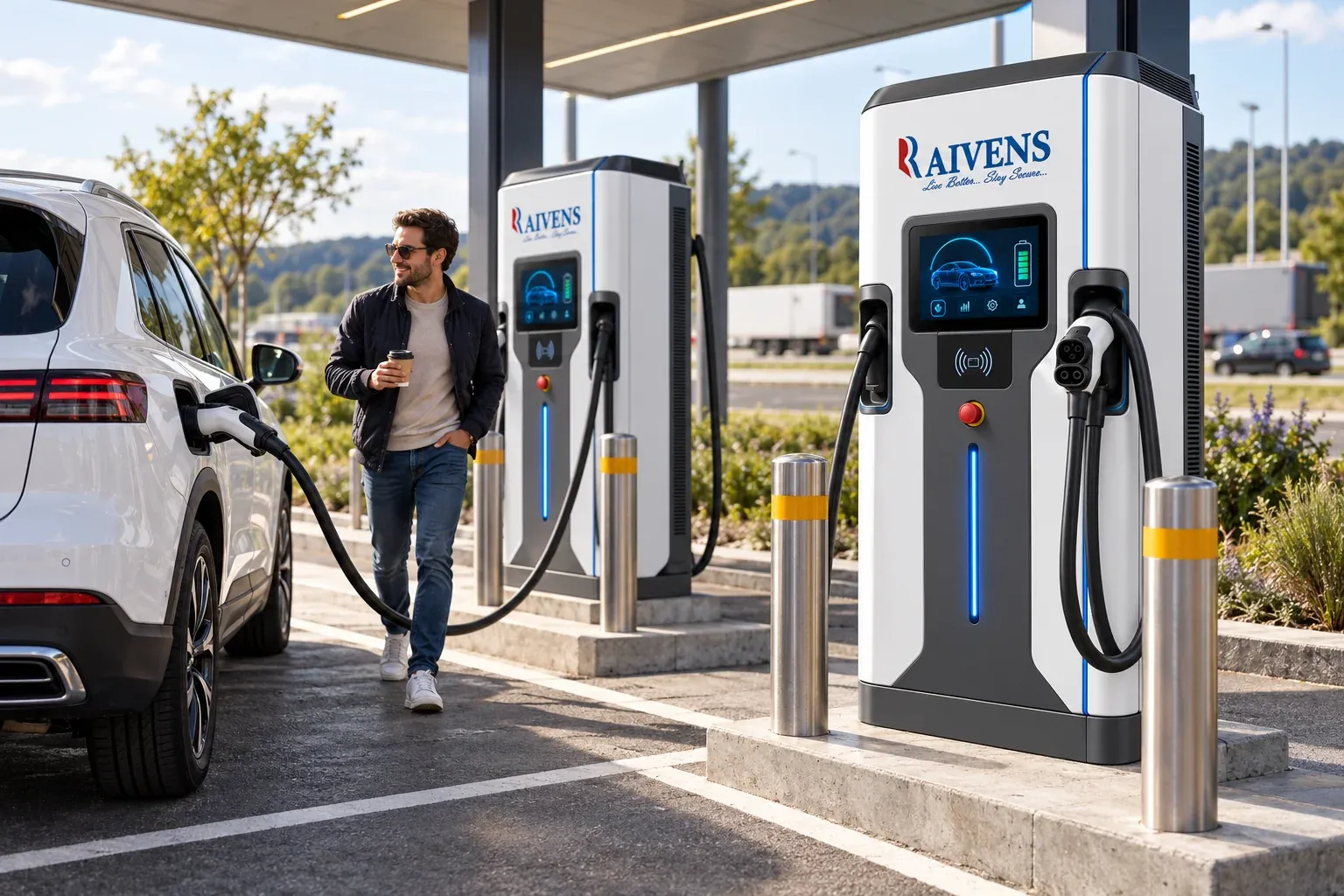
- Highway charging stops. 60 and 120 kW models suit fuel stations, restaurants and rest areas where drivers stop for a meal or a coffee.
- Fleet and taxi depots. Vehicles recharge between shifts, and the billing backend records energy per vehicle or driver.
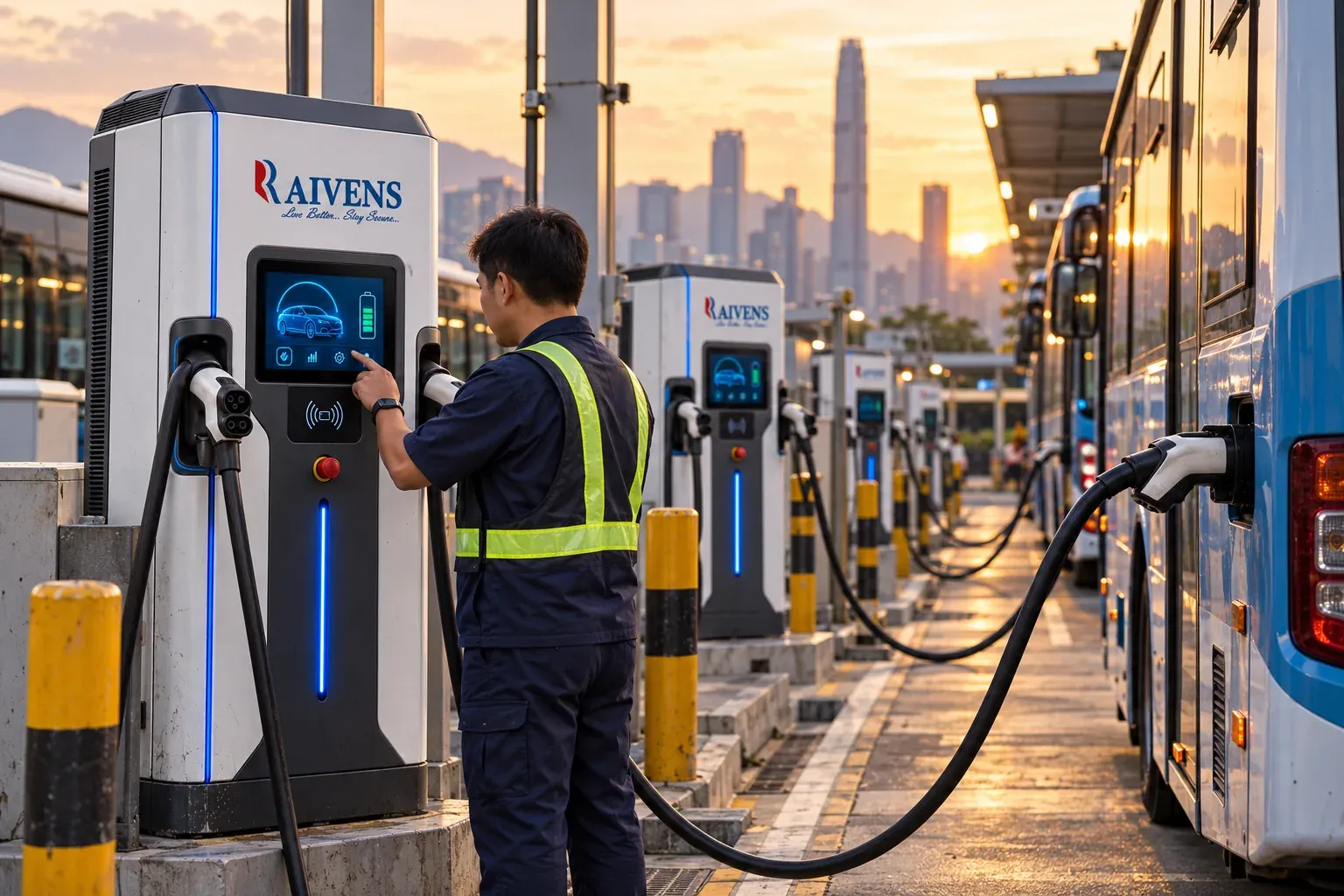
- Bus depots. 120 kW units recharge electric buses between routes or overnight, with every charger visible in remote monitoring.
- Malls, hotels and commercial hubs. 30 and 60 kW chargers bring EV drivers to the site and earn revenue from parking bays that already exist.
Planning a DC charging site
A DC fast charger needs a three-phase supply with spare capacity for its rated power. Several chargers, or a single 120 kW unit, may call for a supply upgrade or a dedicated transformer. Raivens starts each project with a site assessment covering grid capacity, expected traffic, vehicle types and parking layout. The result is a clear recommendation on charger count, power levels and connector mix, so you neither overload your supply nor pay for capacity you cannot use.
Integration and support
Raivens supports installation and commissioning, sets up RFID, app and QR access, and connects each charger to the remote monitoring and billing backend. After go-live, operators track status, sessions and faults remotely, and after-sales support comes from the in-house team that designed the product. Compliance documentation per model is available on request for your consultant, utility or landlord.
Many sites combine fast and slow charging. Pair DC units with AC EV chargers for long-stay bays, add smart electricity meters for tenant sub-metering, or see the complete EV charging and smart energy solution. To size your site, contact Raivens for a quote.